
The first thing most visitors notice is the mask.
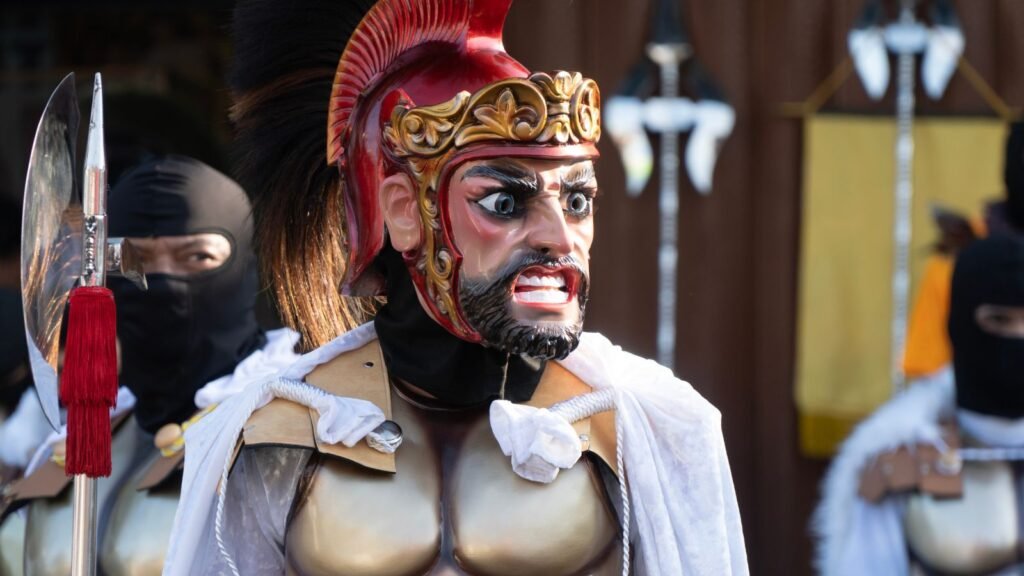
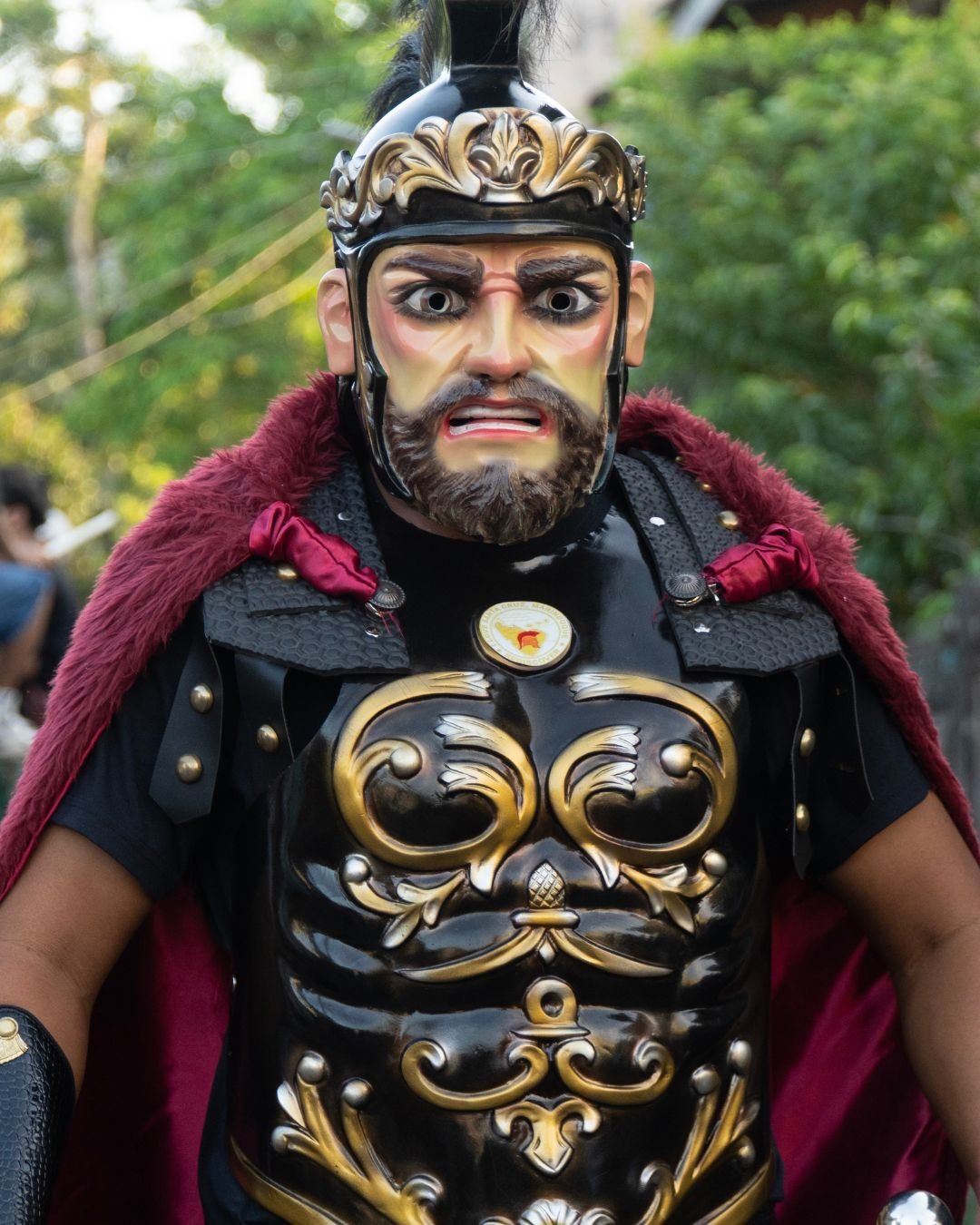
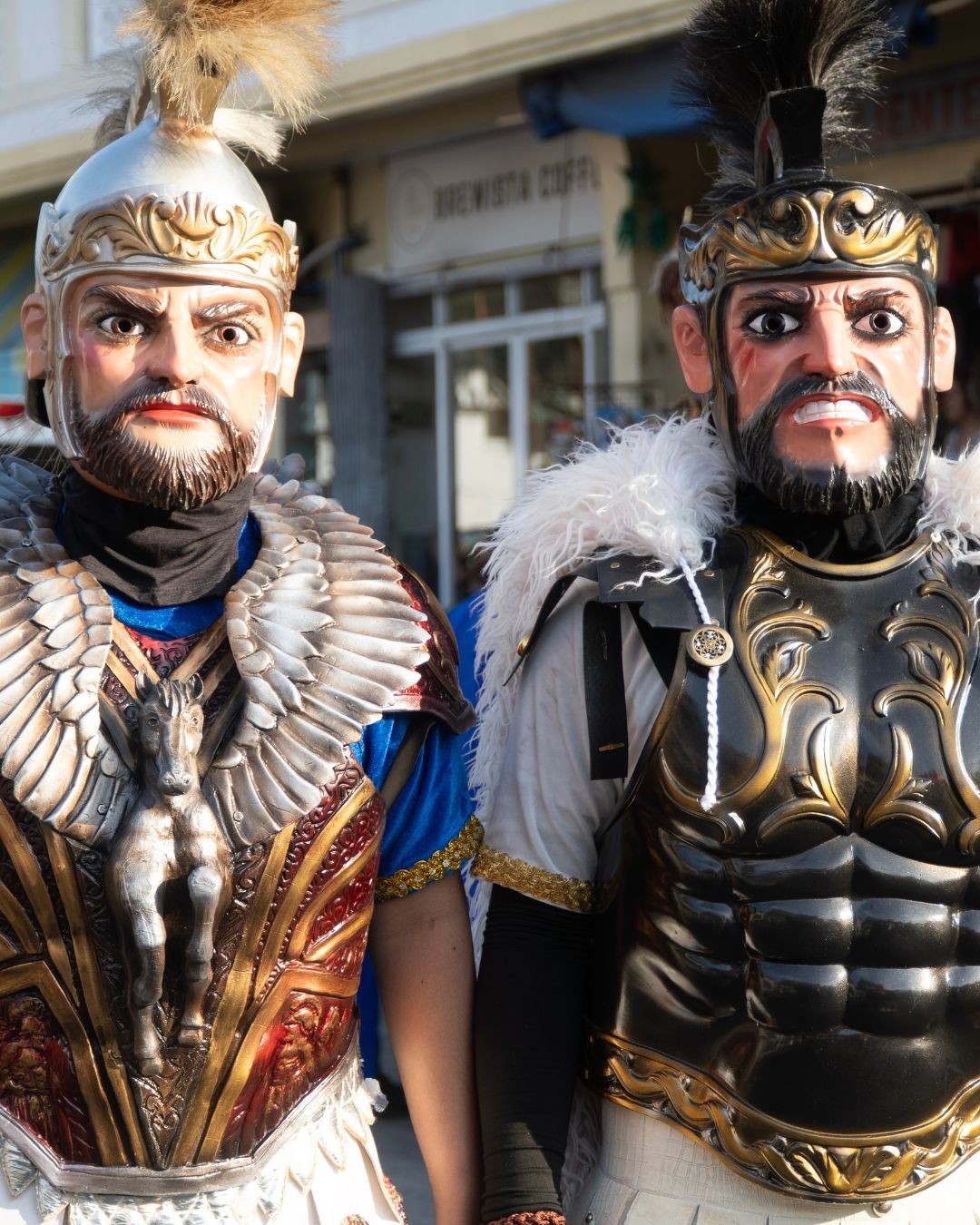
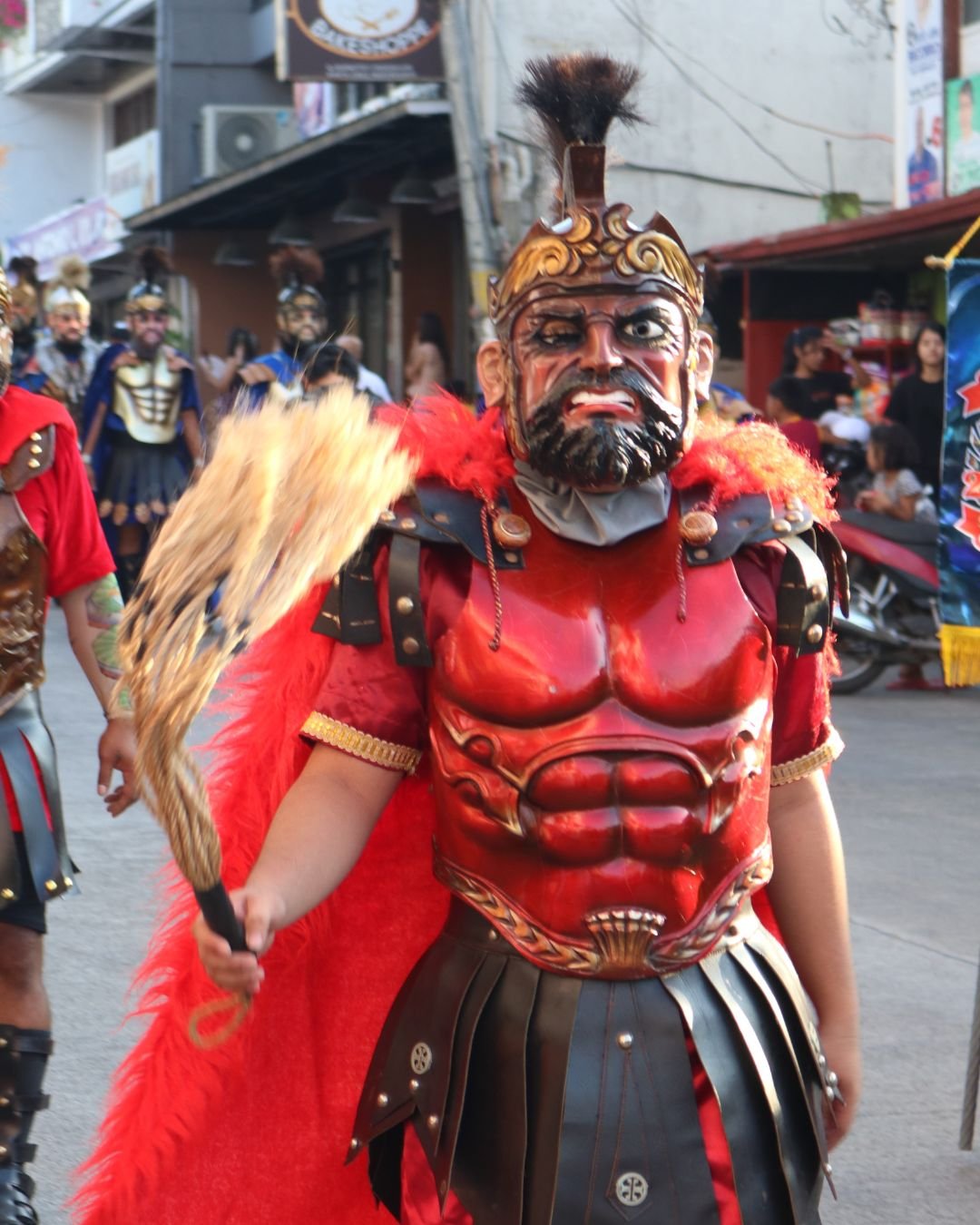
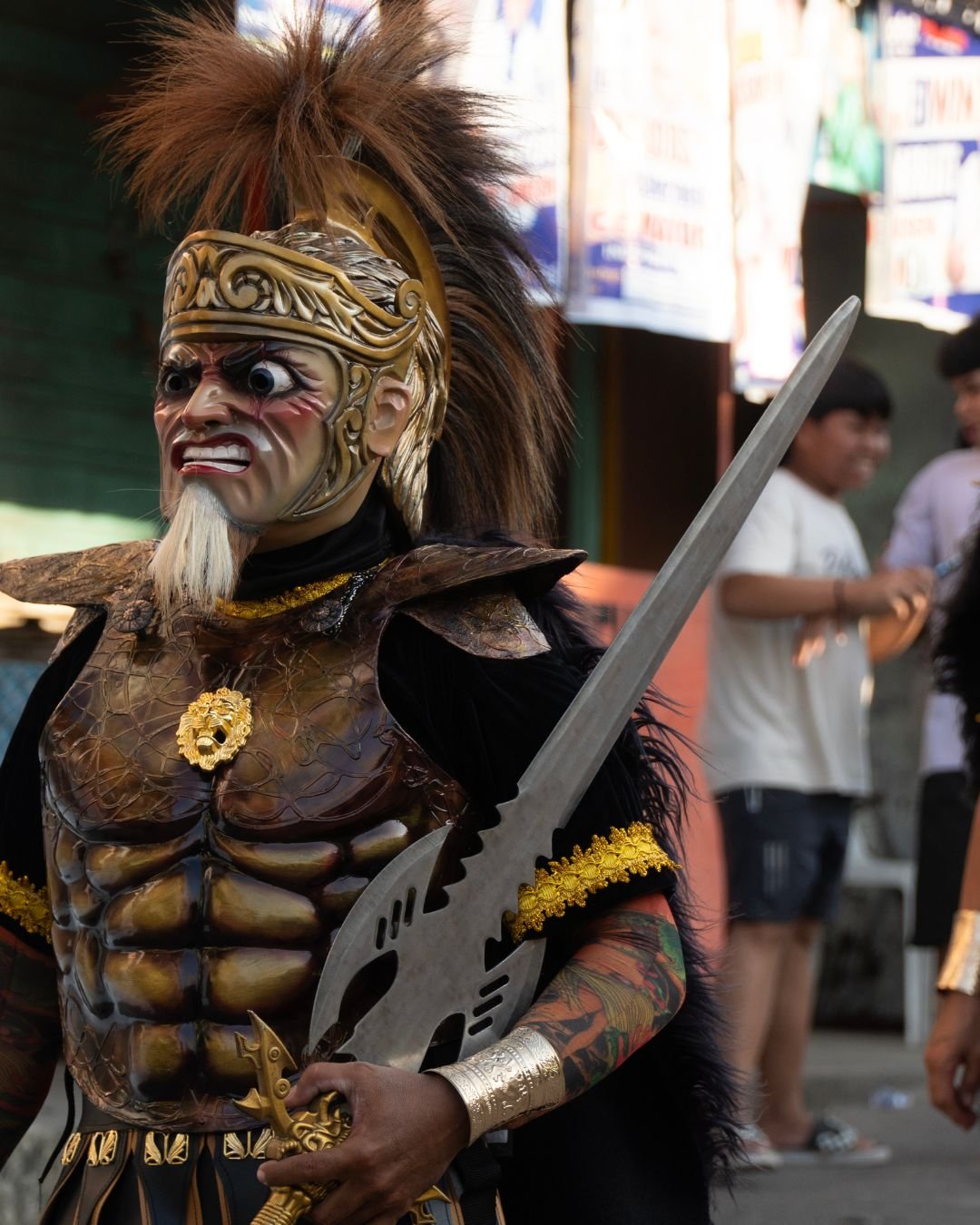
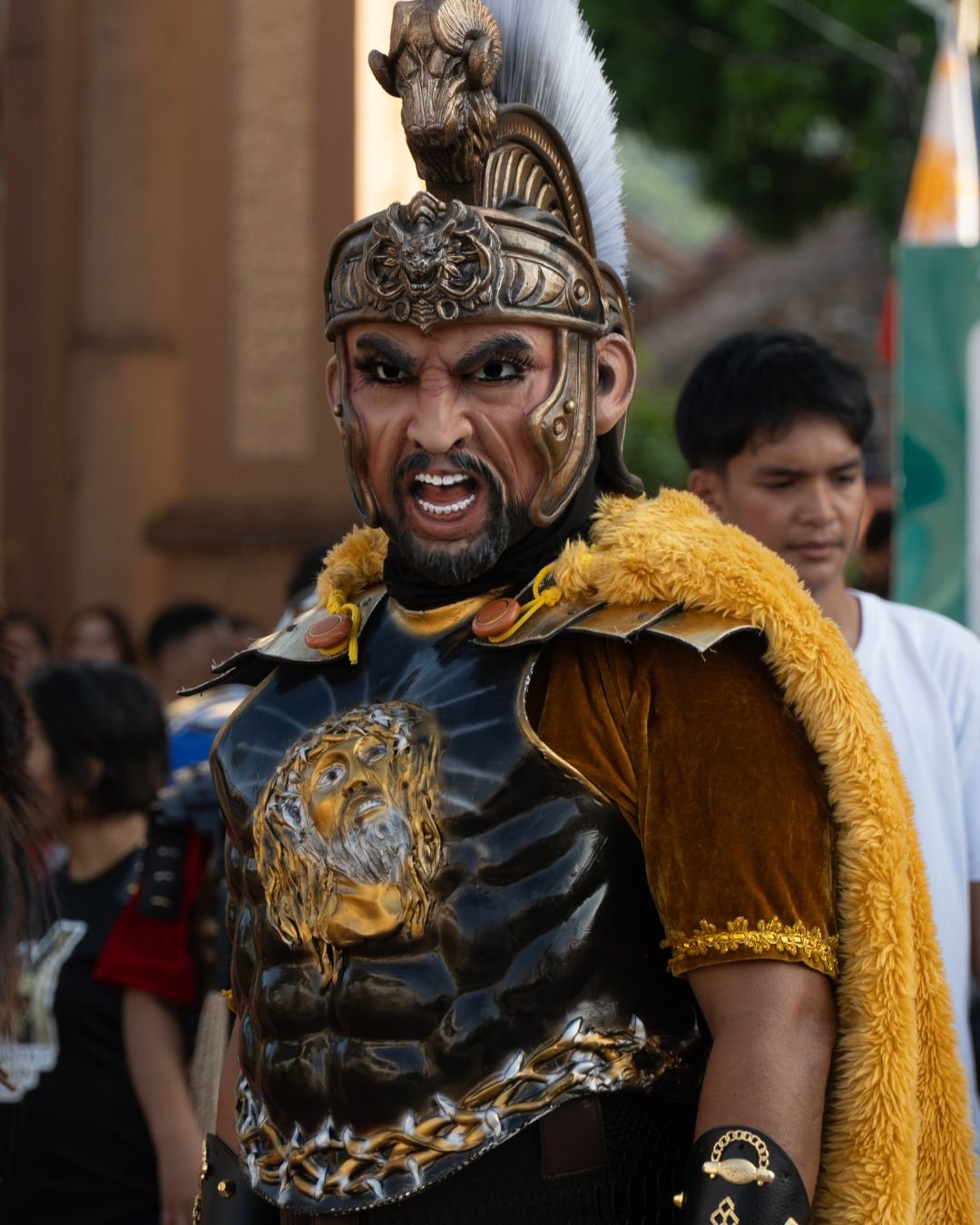
Under the bright heat of Holy Week in Marinduque, a masked figure steps quietly into the street. The helmet is crowned with horsehair, the armor painted to resemble that of a Roman soldier. Through the carved wooden face, the wearer watches the movement of the town without speaking. Children follow at a distance. Cameras come out. The figure does not break character.
Across the island, these silent soldiers appear each year during the Lenten season. They are known as Moriones, participants in a centuries-old devotional tradition that transforms ordinary towns into living stages for the retelling of the Passion story.
While several municipalities across Marinduque observe the rites, the town of Santa Cruz, Marinduque has developed a distinctive interpretation. Here, the observance combines solemn religious reflection with a striking display of costume, choreography, and historical imagination. Ancient imagery and local culture converge in ways that continue to evolve from one generation to the next.
For visitors arriving during Holy Week, the Moriones can feel both mysterious and theatrical. Yet beneath the masks lies a deeply personal act of faith. Many participants join the rites to fulfill a panata—a vow undertaken as an expression of gratitude, penance, or devotion.
The Story Behind the Mask
The Moriones tradition draws its narrative from the story of the Roman centurion Longinus. According to Christian tradition, he was the soldier who pierced the side of Christ during the crucifixion. When a drop of blood touched his blind eye, his sight was restored, leading to his conversion.
Within the Moriones narrative, the converted centurion becomes a fugitive pursued by fellow Roman soldiers. Participants portray these soldiers through elaborate costumes and masks, recreating scenes that echo the legend.
The masks themselves are central to the tradition. Carved from local woods such as dapdap or santol, they are often deliberately exaggerated in expression, with pronounced brows, strong noses, and vividly painted features. Horsehair plumes rise from the helmets, while armor pieces are assembled from metal, leather, or sculpted materials meant to resemble ancient Roman equipment.
Crafting these costumes is a specialized skill. Mask carving and armor-making have been passed through families and community workshops, giving each Morion a distinctive character.
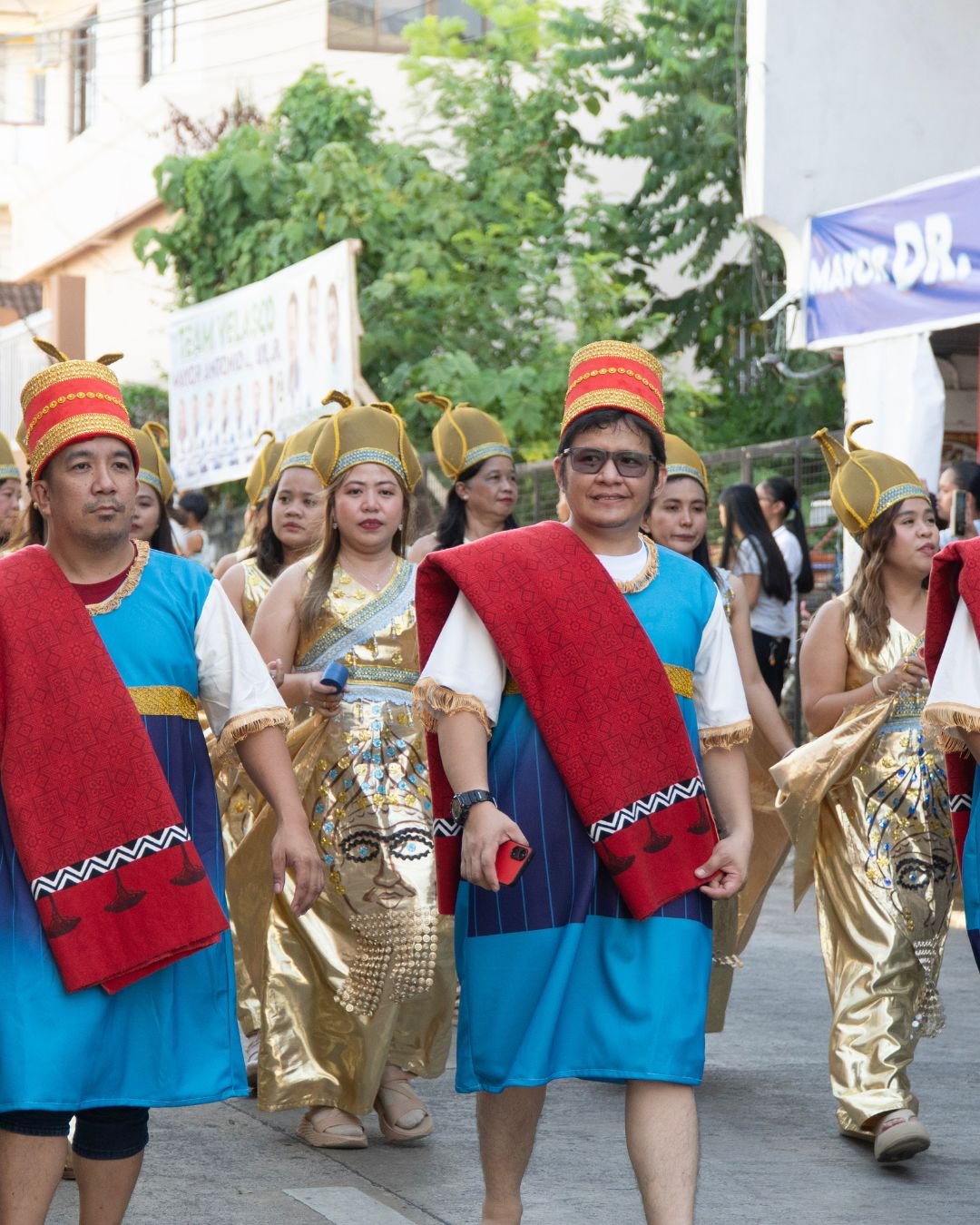
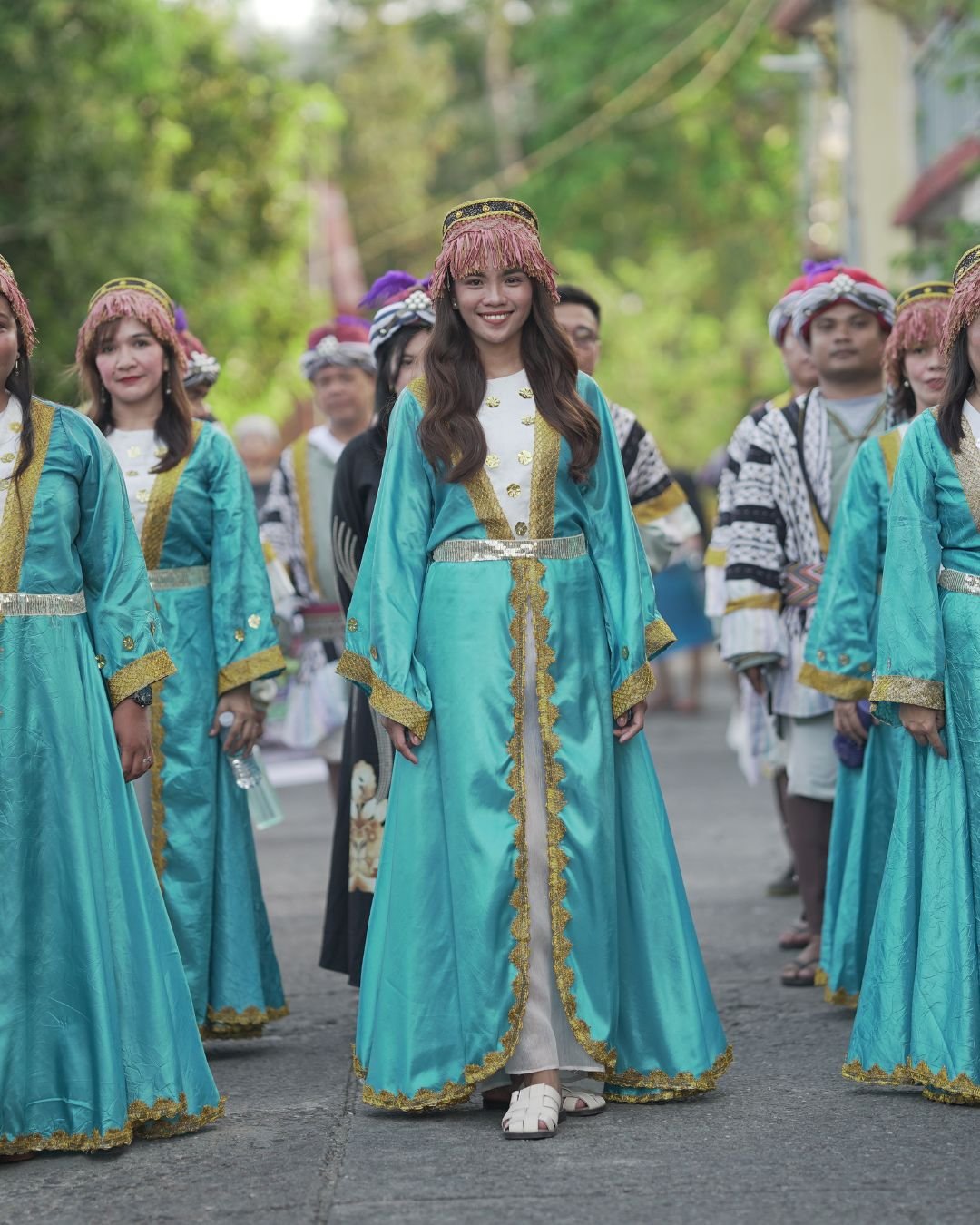
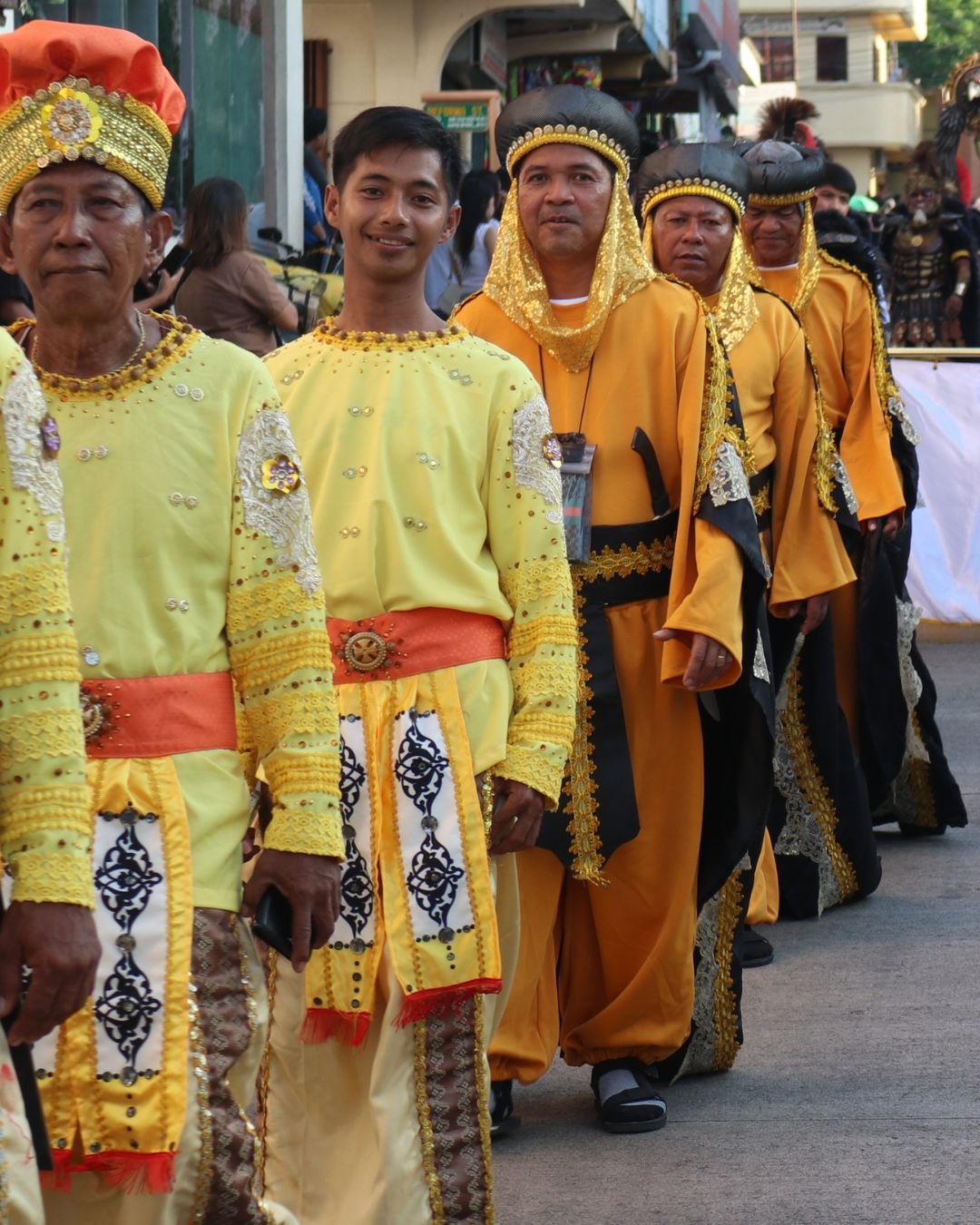
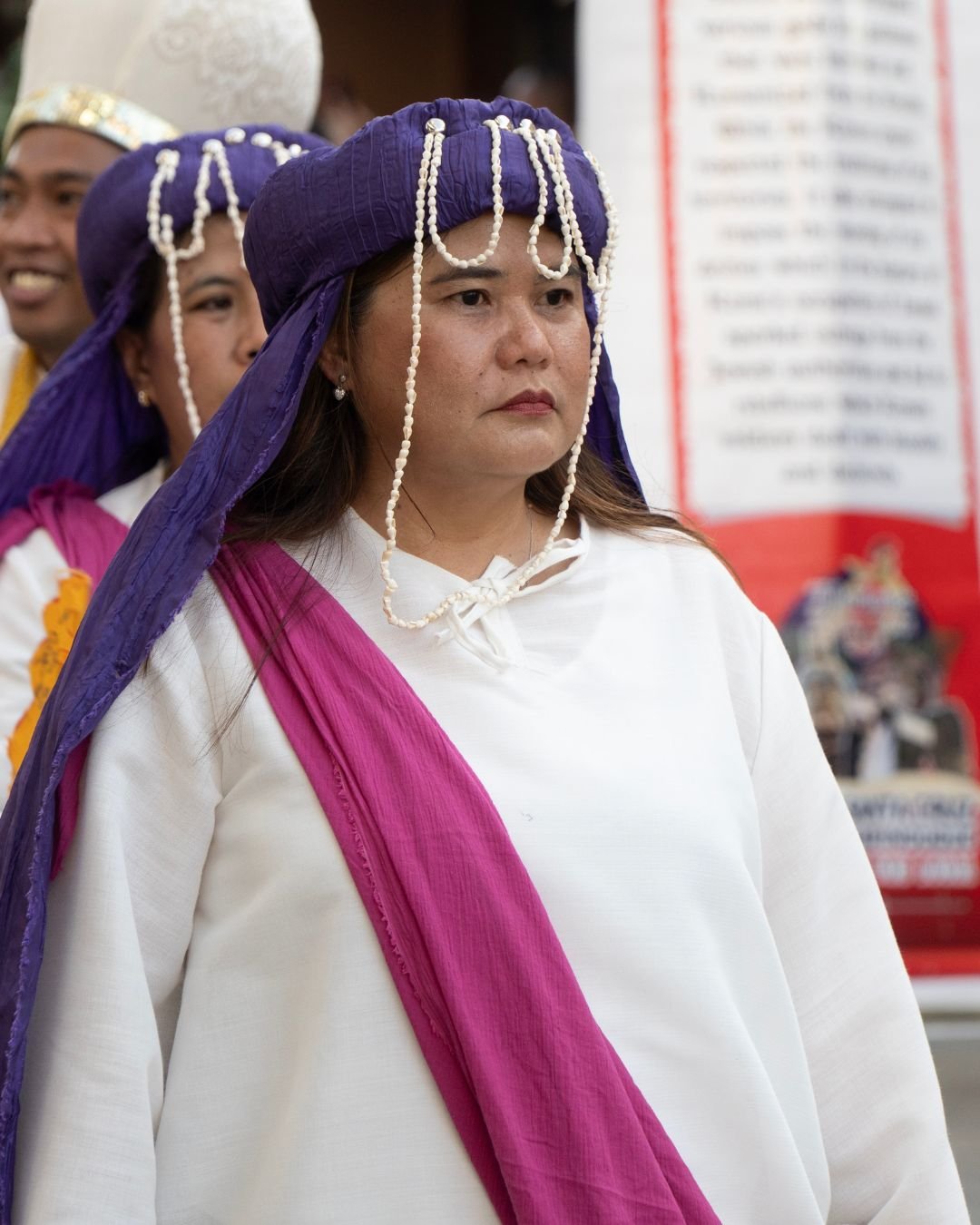
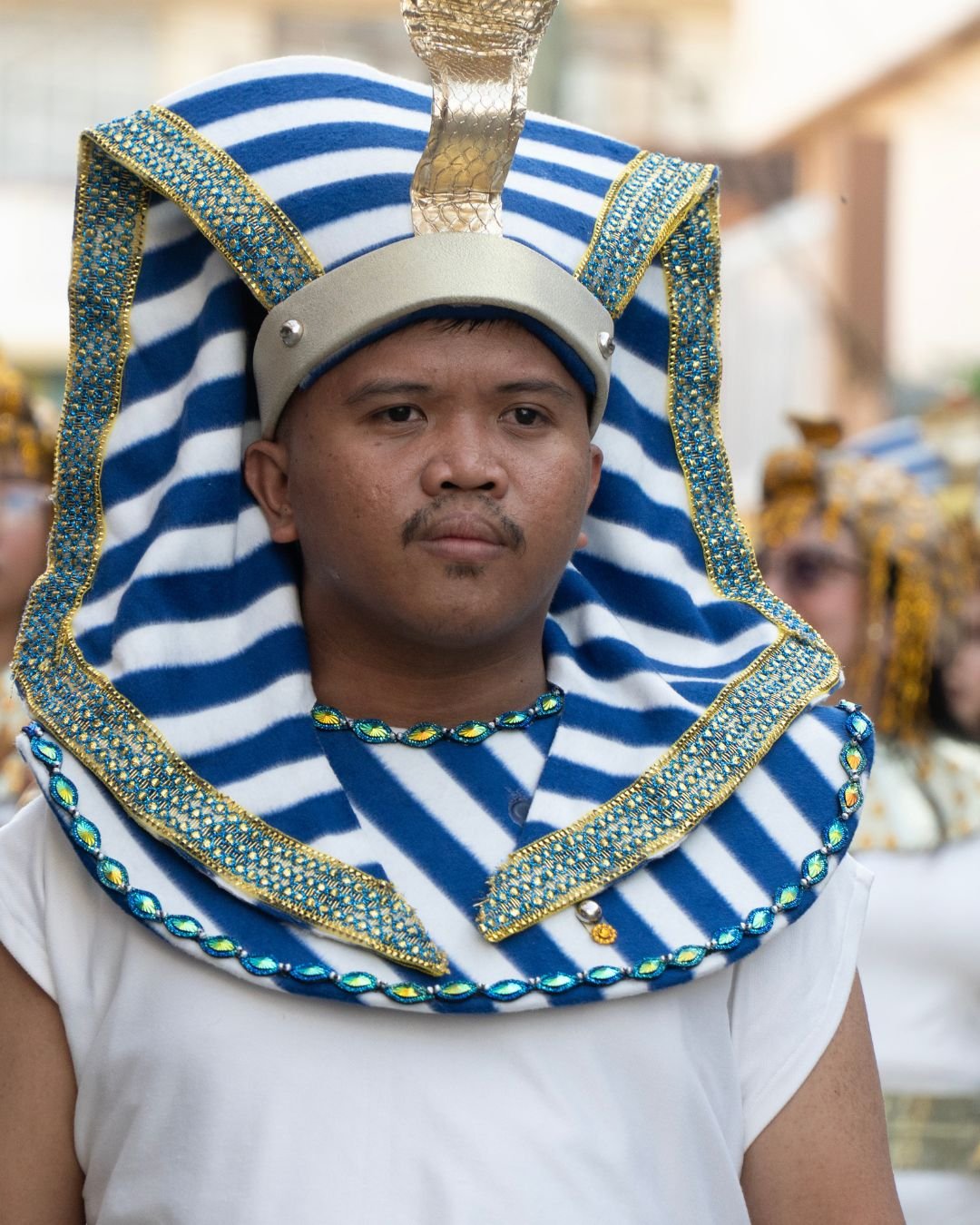
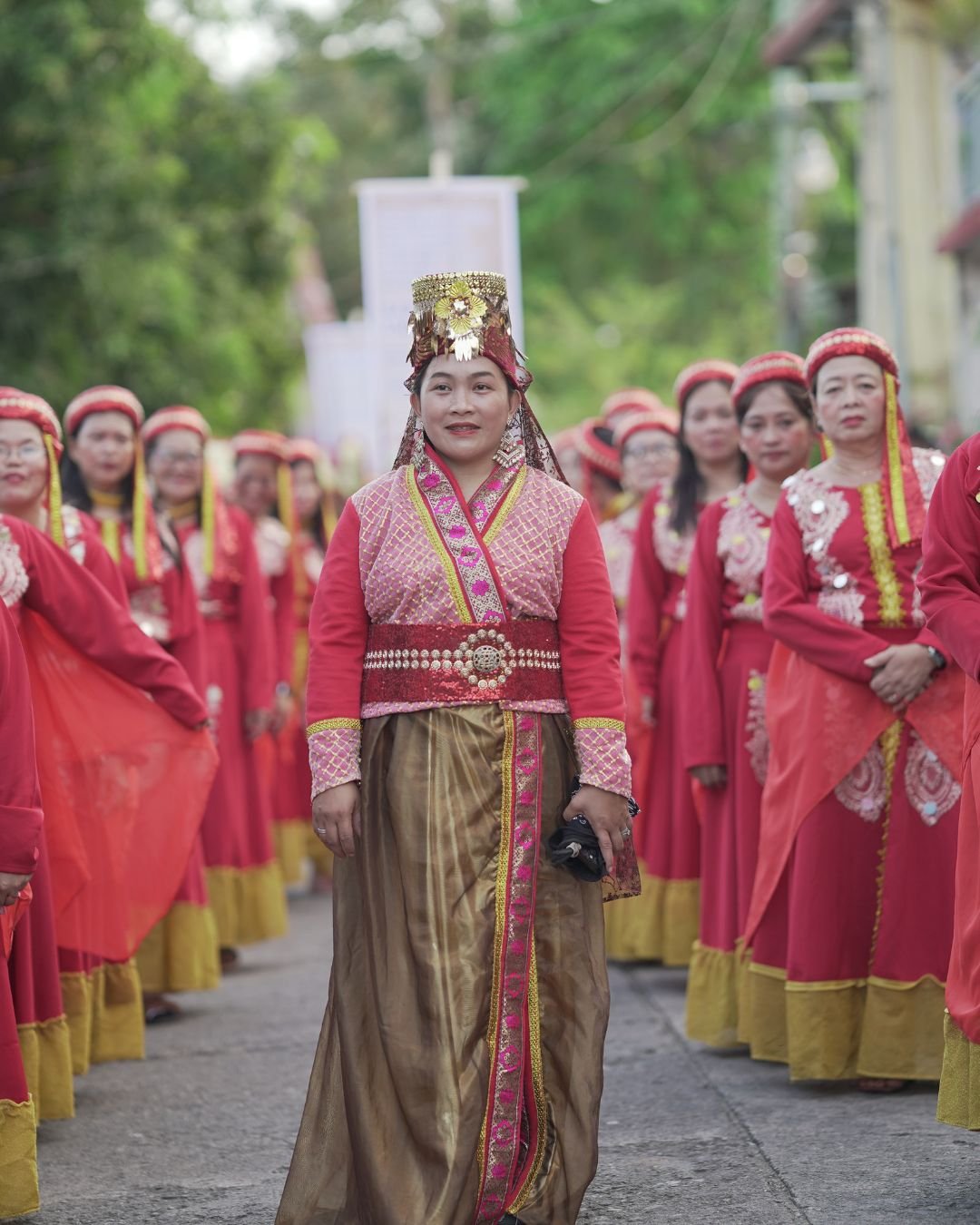
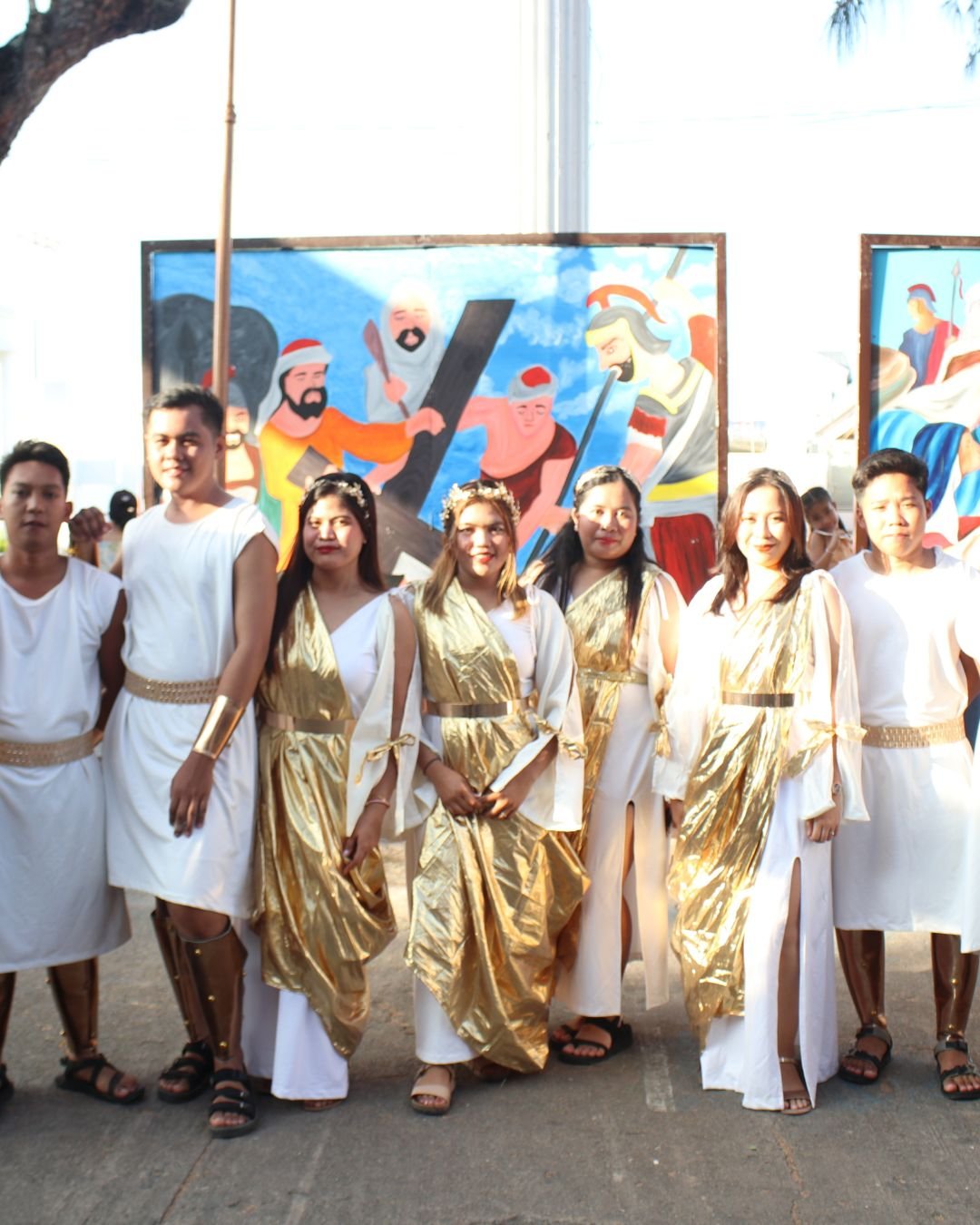
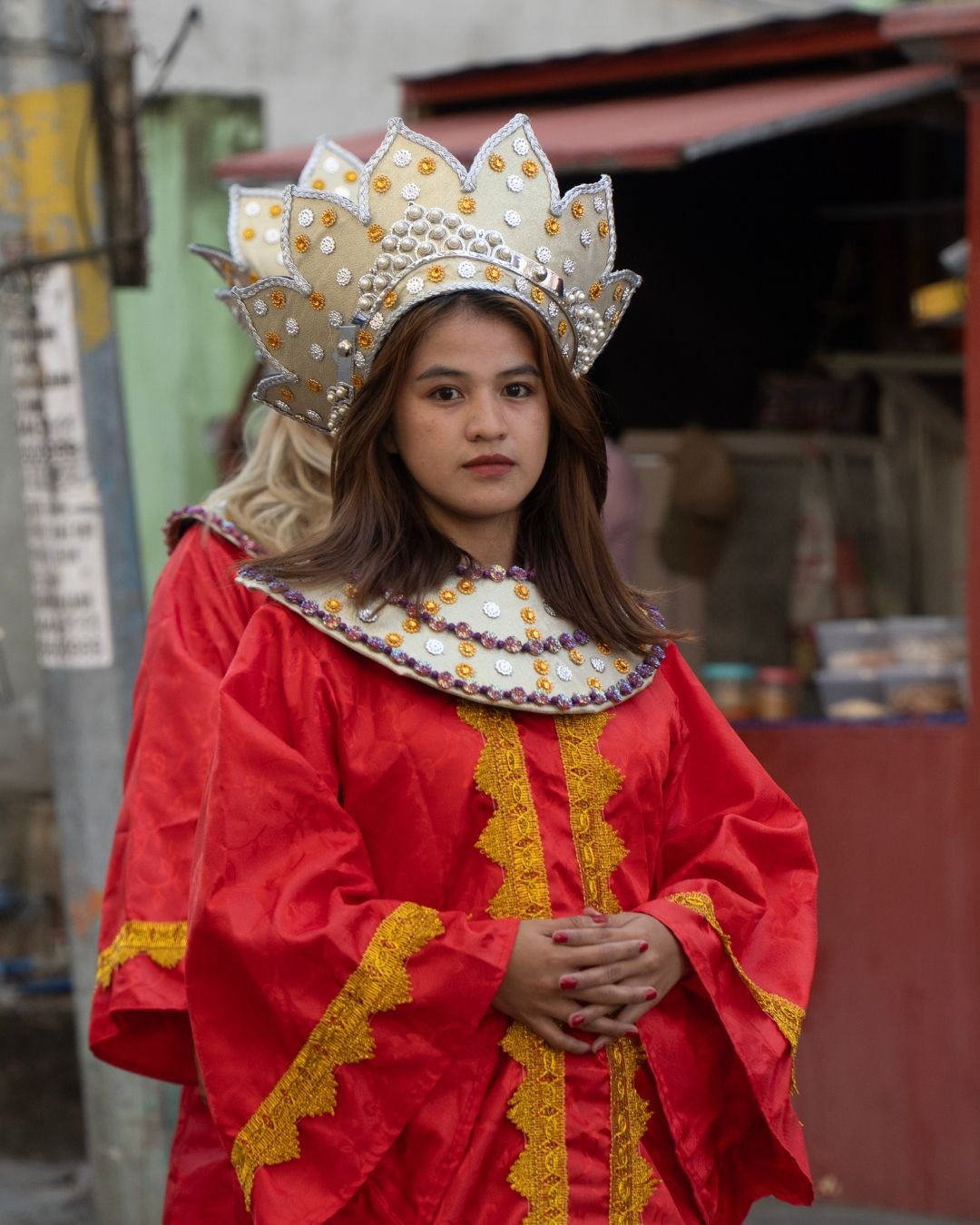
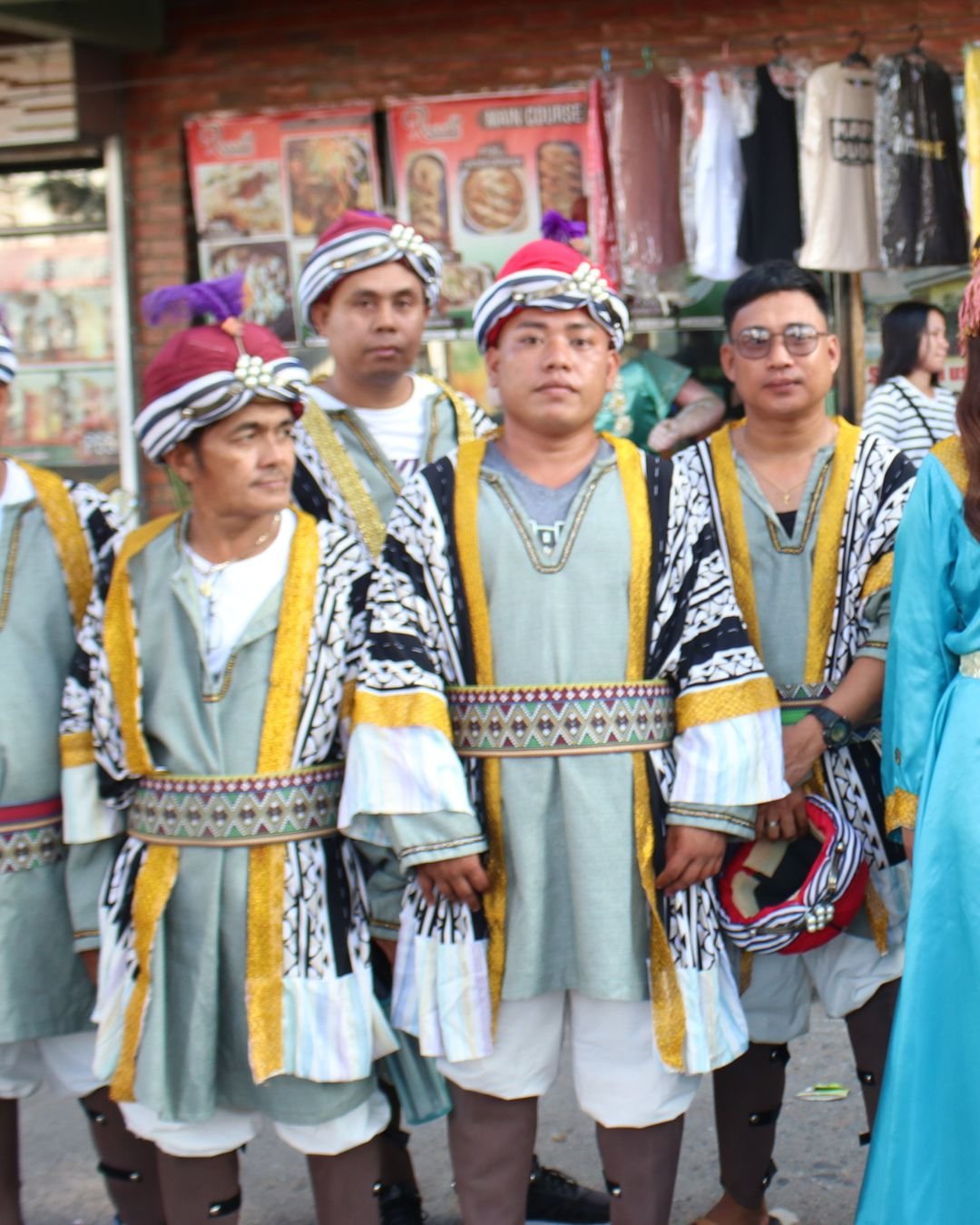
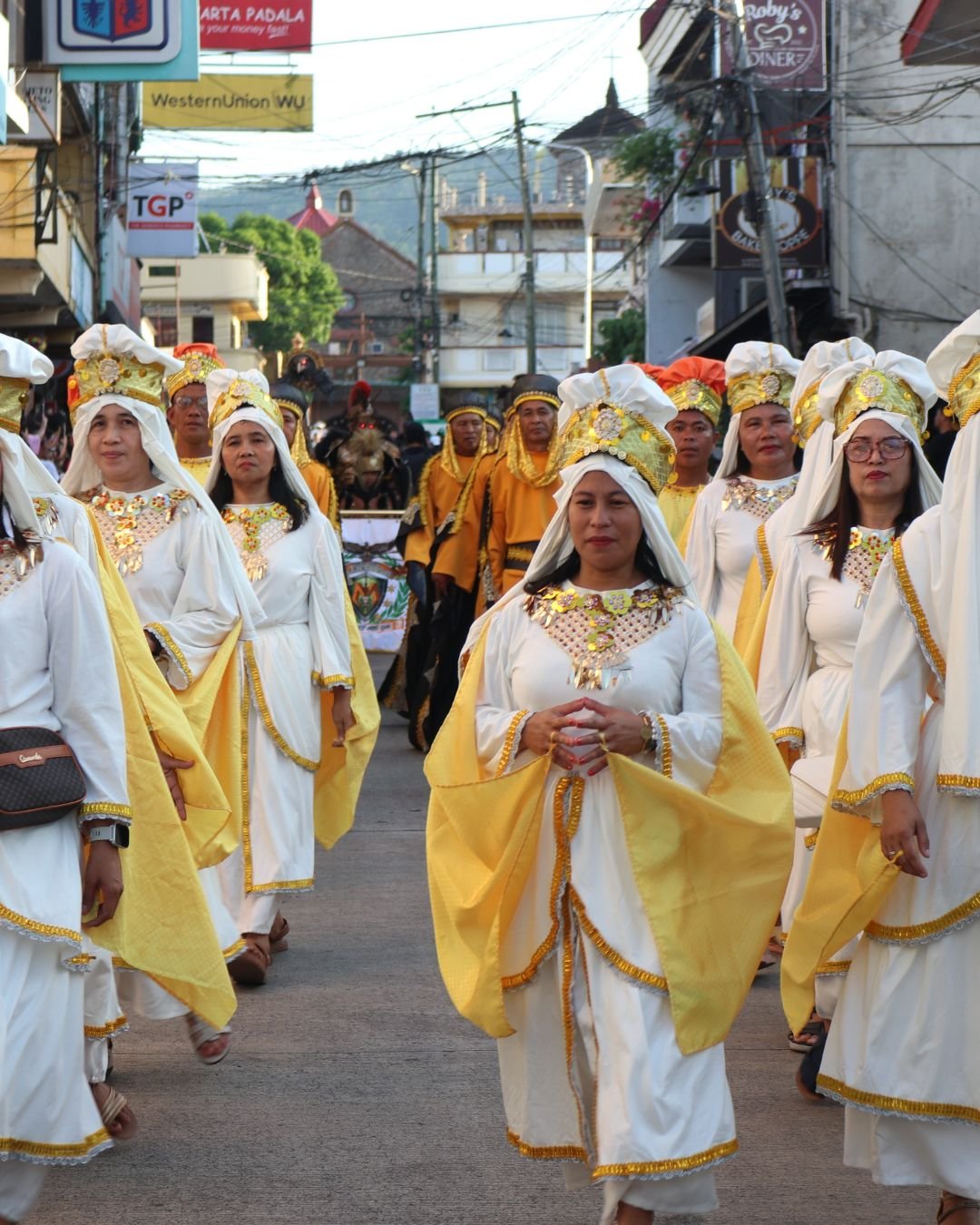
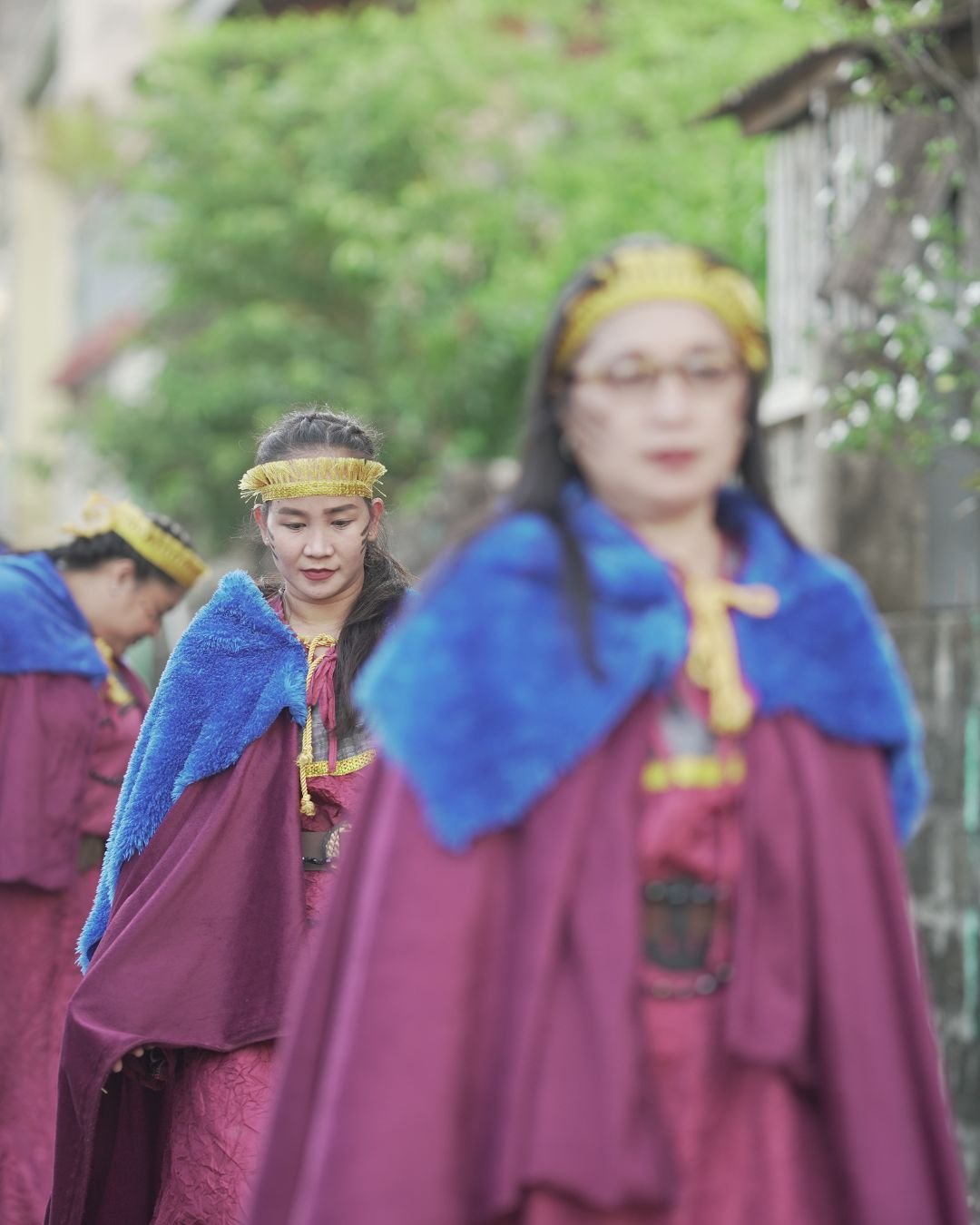
In Santa Cruz, the imagery has gradually expanded beyond the Roman soldier alone. During major parades, figures inspired by other ancient civilizations appear alongside the Moriones. Egyptian headdresses, Babylonian ornamentation, and Byzantine motifs add layers of visual storytelling. The streets briefly resemble a meeting point of ancient worlds.
A Pilgrimage Across
the Landscape
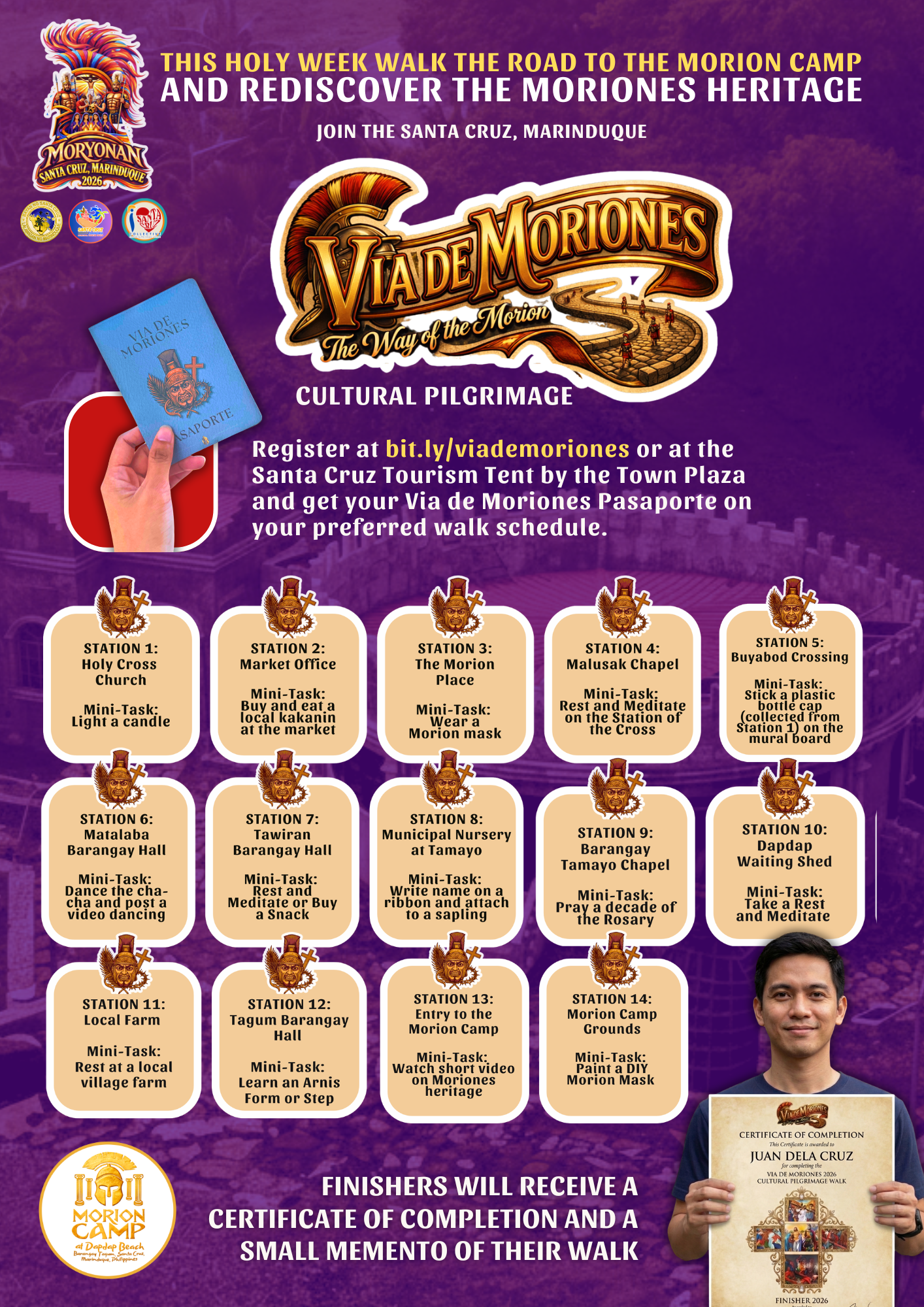
This year, Santa Cruz will introduce a new cultural activity known as the Via de Moriones Cultural Pilgrimage Walk. Beginning on March 29, the walk will take place each morning and will continue daily until April 4, with the exception of April 3. Visitors, local residents, and pilgrims alike will be able to join the journey.
Participants will depart from the town plaza of Santa Cruz, Marinduque and follow a fourteen-kilometer route leading toward The Morion Camp in Barangay Tagum. The path winds through rice fields, village roads, and quiet rural communities.
The route will be organized around fourteen stations inspired by the Stations of the Cross. At several points, participants may encounter Moriones along the route, offering brief cultural presentations that connect the physical journey with the broader Lenten narrative.
Walkers will also receive a Pilgrim Passport, a small booklet that can be stamped at designated stops along the route. Those who complete the pilgrimage will receive a commemorative certificate at the final station.
For many visitors, the experience will offer a different perspective on Marinduque. Rather than simply observing the rites from the roadside, participants move through the landscape alongside them, sharing in the rhythm of the journey.
Movement and Memory in the Streets
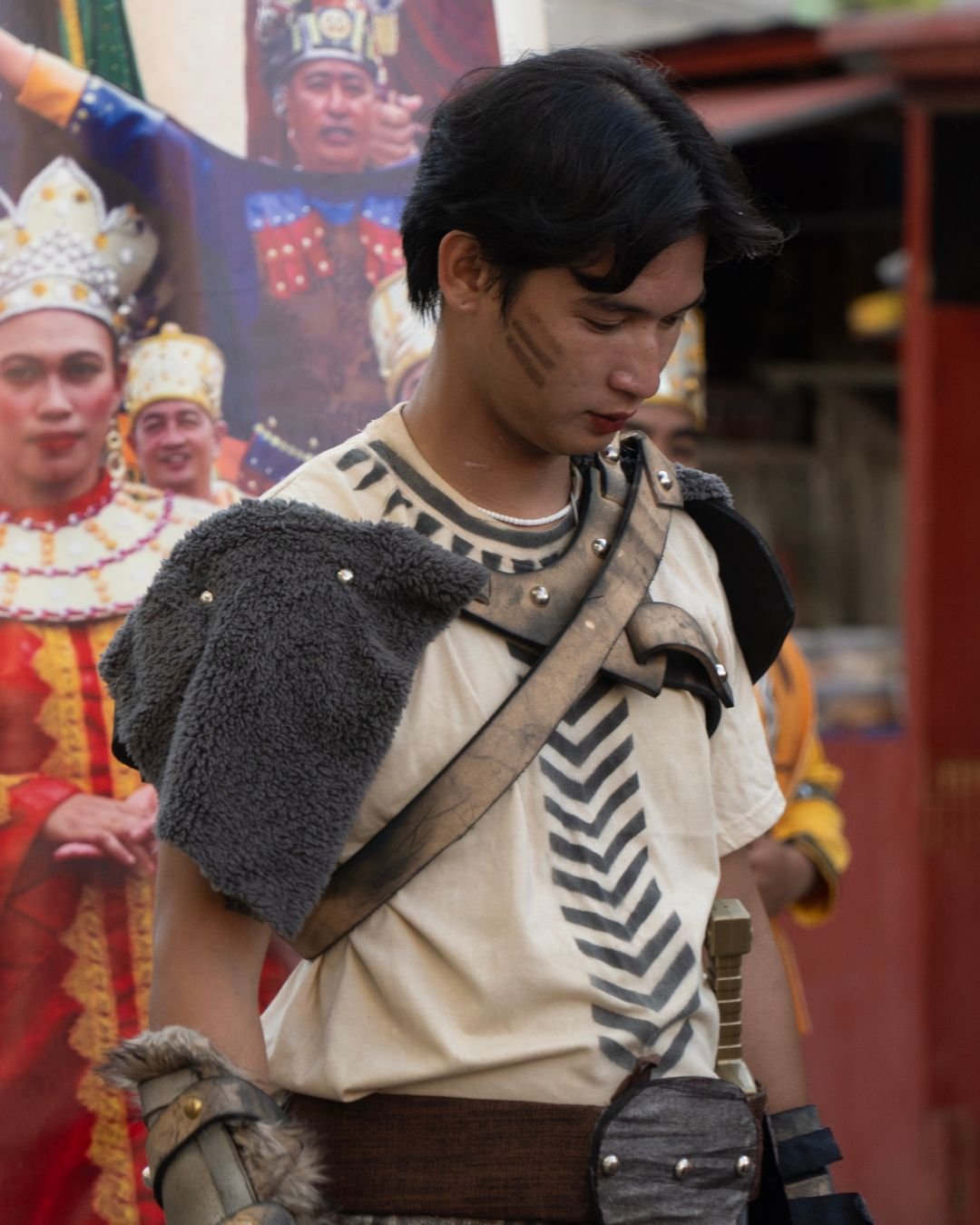
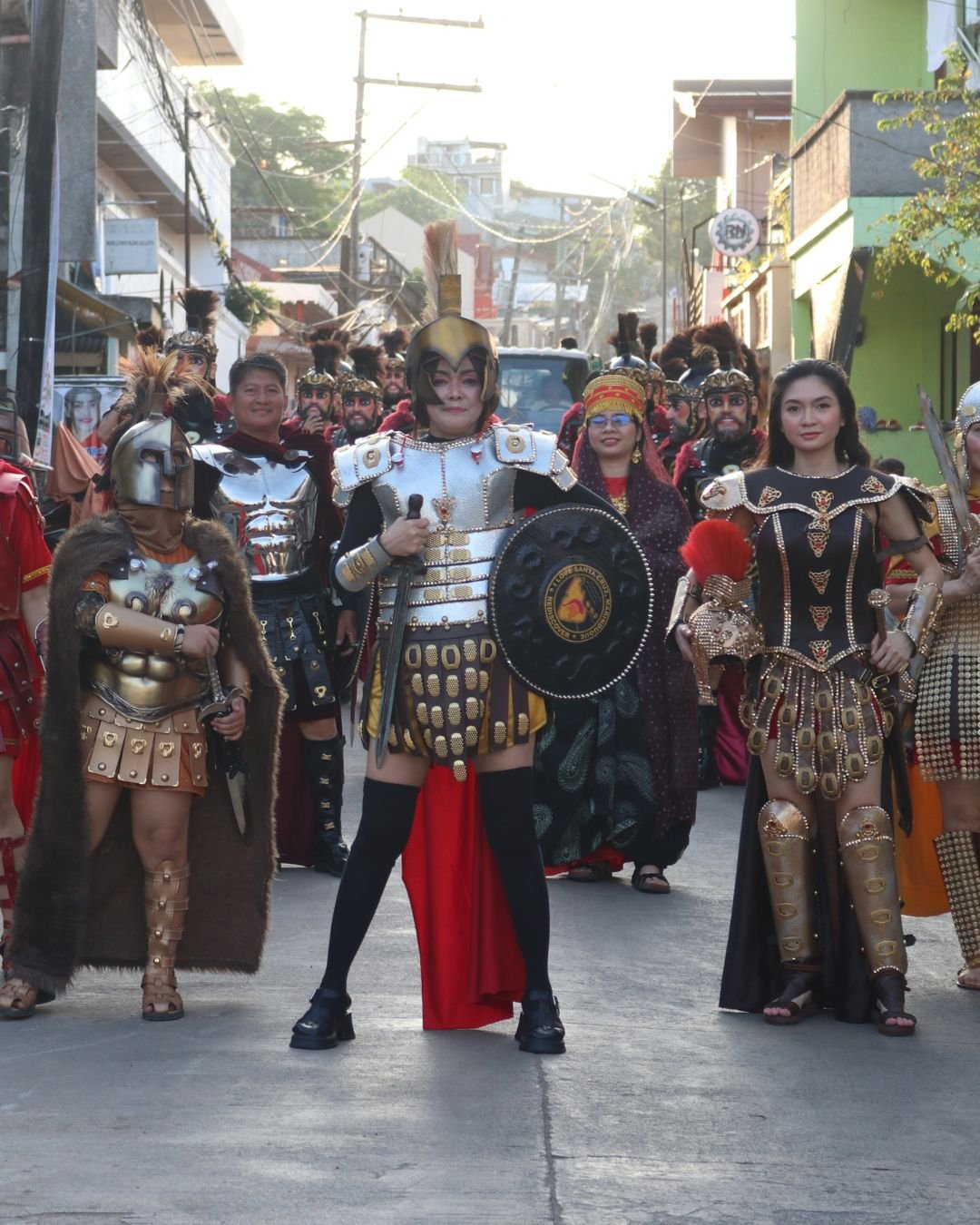
Later in the week, on March 31, Santa Cruz will stage the Gunita Lenten Parade, one of the most elaborate public gatherings of the season. Moriones groups from across the municipality will assemble in full costume, filling the streets with marching soldiers, banners, and historical tableaux.
Residents and municipal employees will also join the procession dressed as figures from civilizations that once intersected with the Roman Empire. The parade unfolds as a moving panorama of ancient cultures, interpreted through local artistry.
This year will also see the debut of a new performance event known as Saliw sa Panata, a martial dance competition centered on the discipline and strength associated with the Morion identity. Performing groups from towns such as Mogpog and Torrijos will join contingents from Santa Cruz to present choreographed routines combining movement, rhythm, and combat-inspired gestures.
Many of the performances will incorporate elements of Arnis, the national martial art of the Philippines. The result is a striking cultural blend: masked Roman soldiers executing techniques rooted in Filipino martial traditions.
Street performances will unfold along the parade route before culminating in full presentations at The Morion Place.
PHOTO GALLERY
2025 GUNITA LENTEN PARADE
The Sound of Lamentation
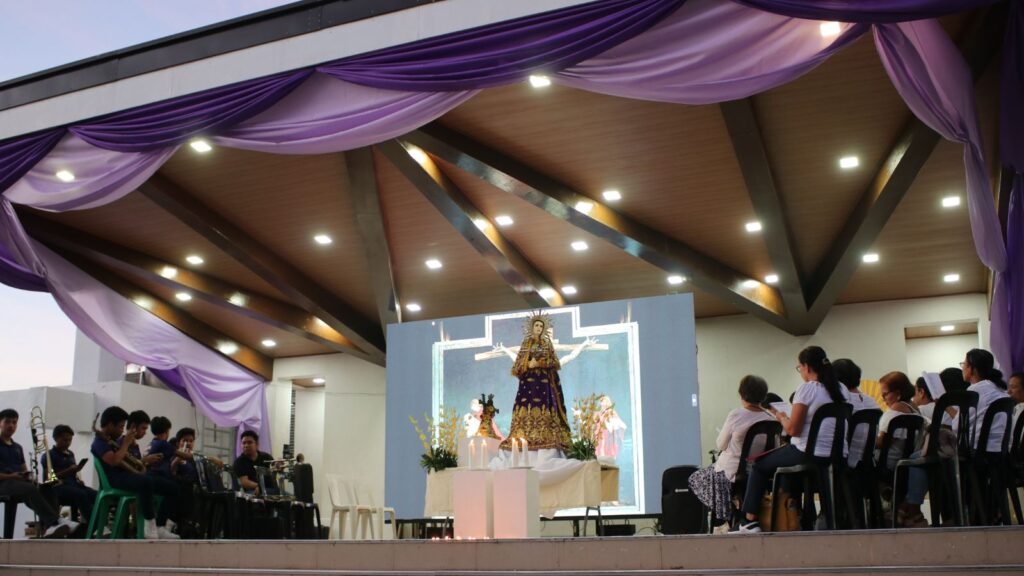
Despite the spectacle of the parades, the emotional center of the observance remains quiet and reflective. On March 30, the Santa Cruz Town Plaza will host the Incipit Lamentatio, a traditional chanting of lamentations associated with the Lenten liturgy.
But inside houses across the town, especially those that process Lenten saint images, the sound of the chants rises and echoes across the streets. The moment recalls the sorrow surrounding the Passion story and invites participants into a more contemplative mood.
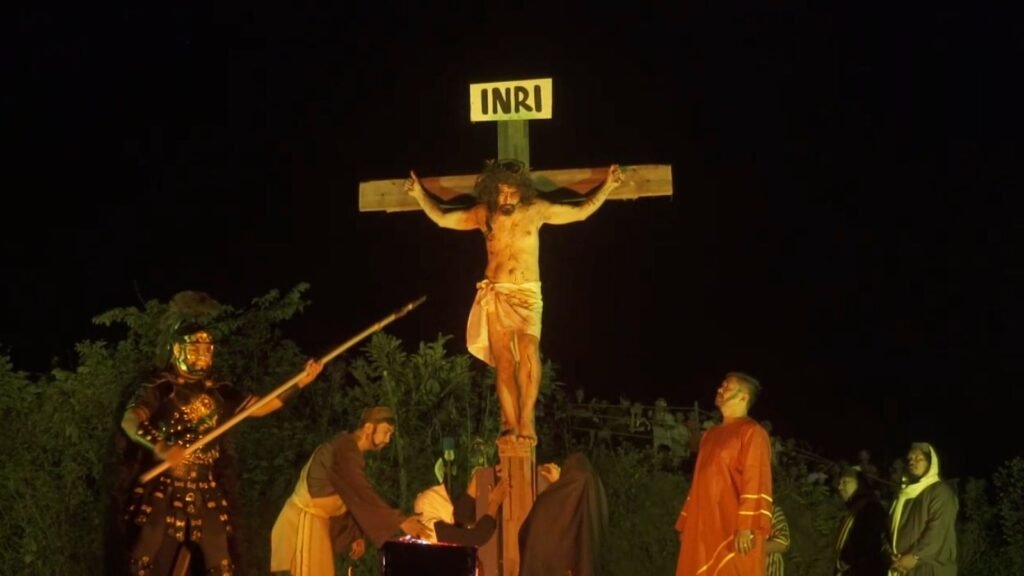
The narrative will reach its dramatic conclusion with Kristo Ang Tagapagligtas, a traditional Senakulo or Passion play presented on April 3 at The Morion Place. In an open-air setting designed to evoke ancient Jerusalem, local actors will portray the final days of Christ’s life.
For many residents, the Senakulo anchors the entire week of observances. The presence of the Moriones throughout the town gains deeper meaning when placed within the larger story unfolding on stage.
Learning the Craft
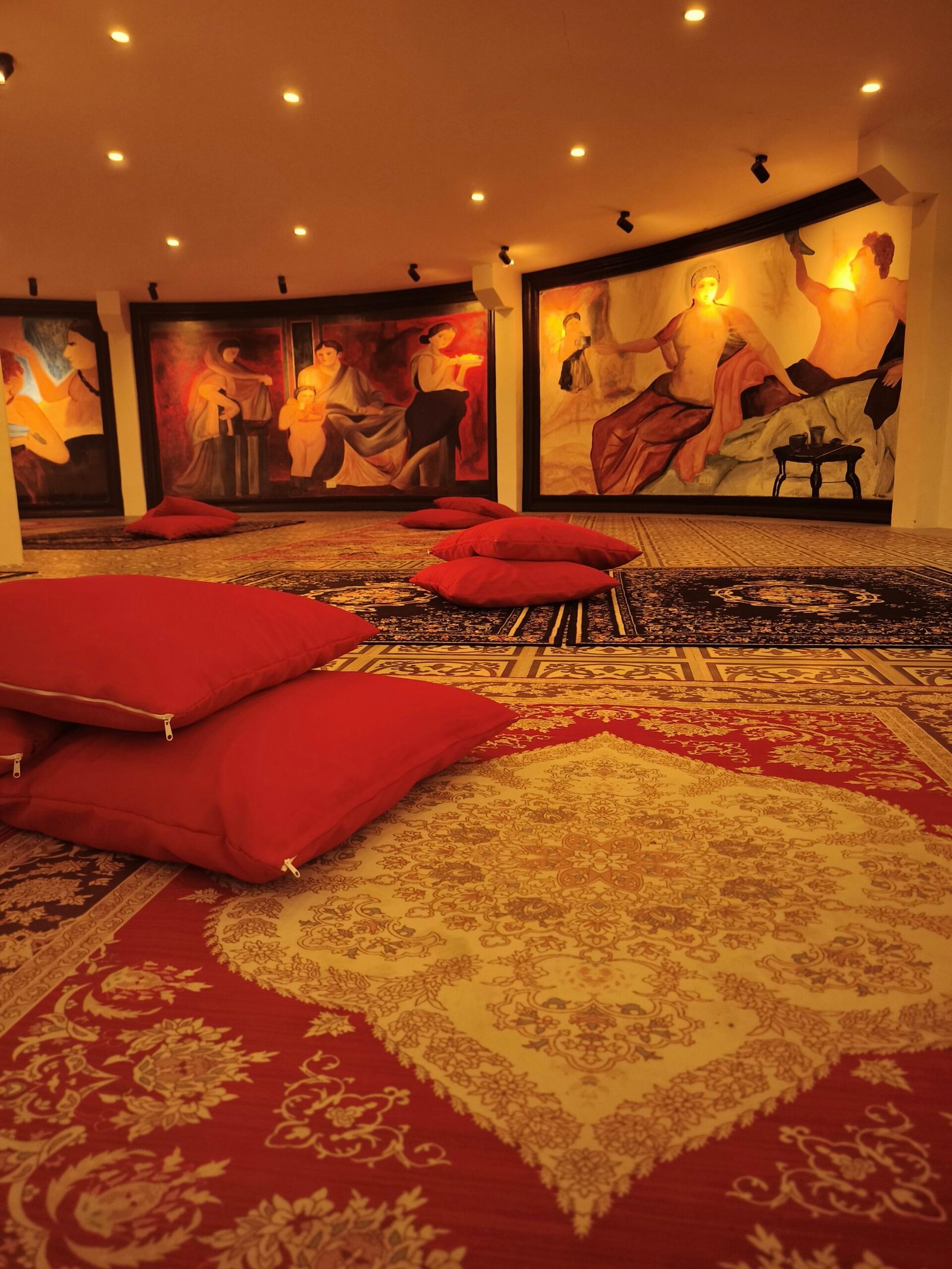
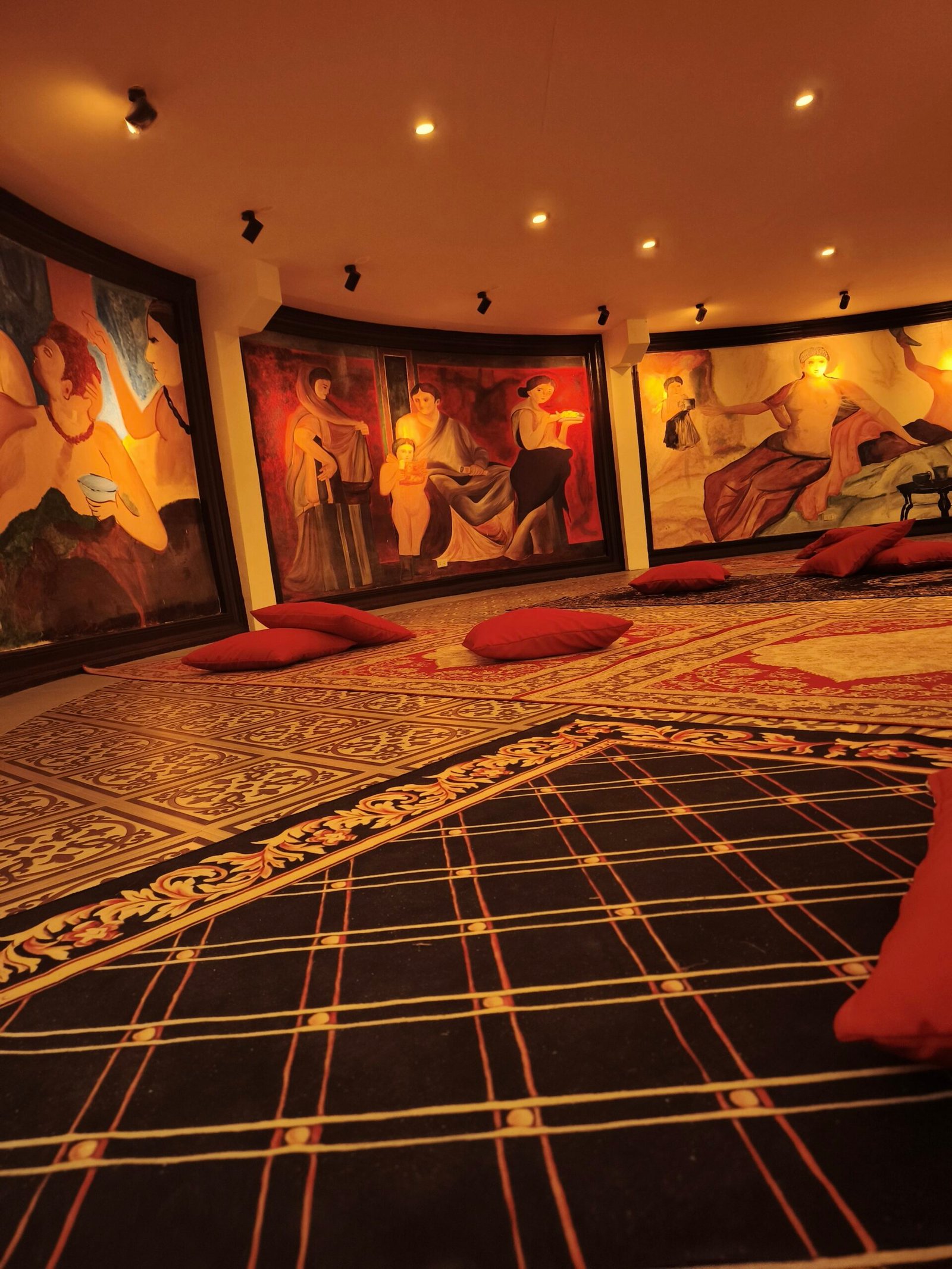
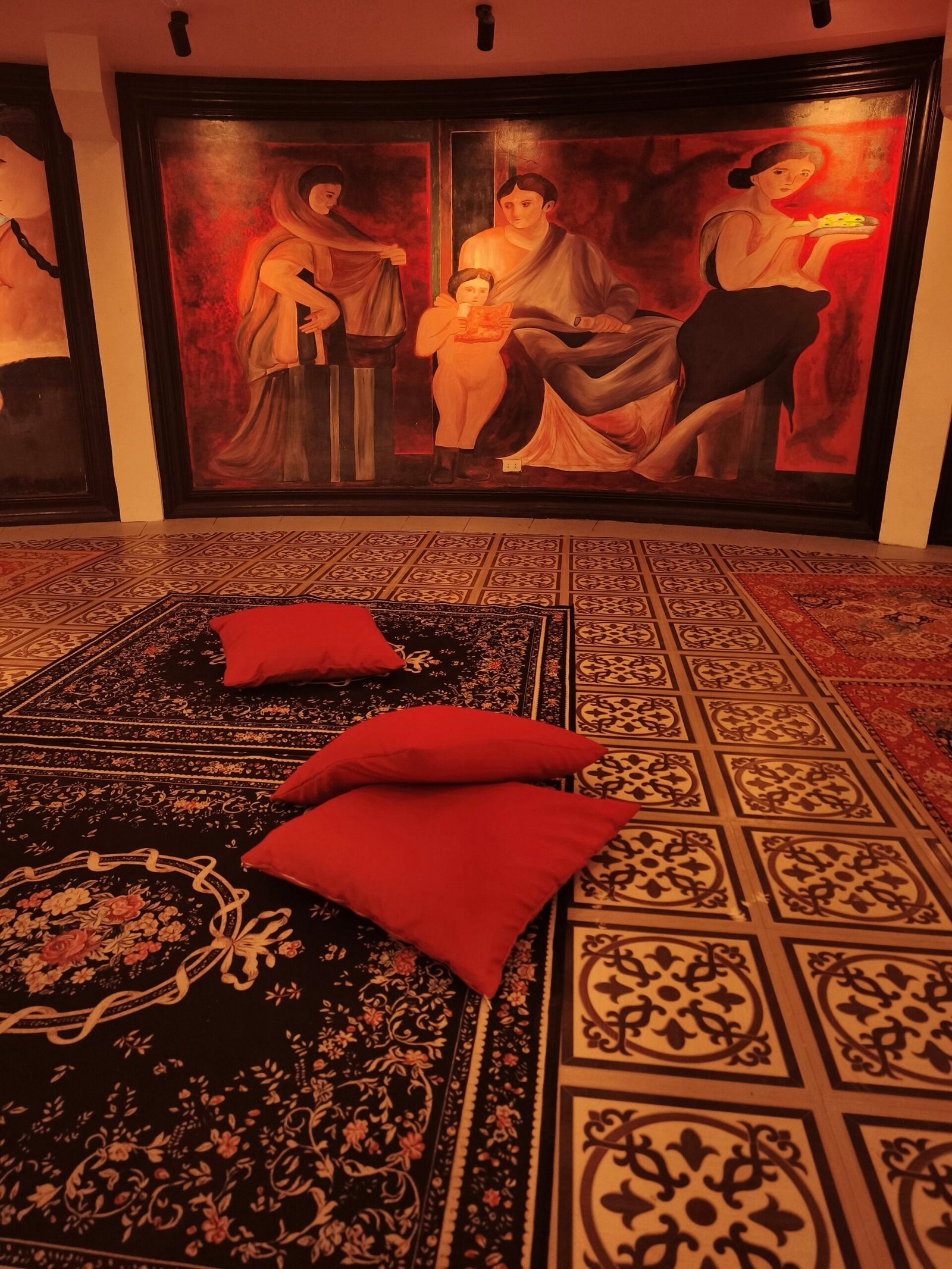
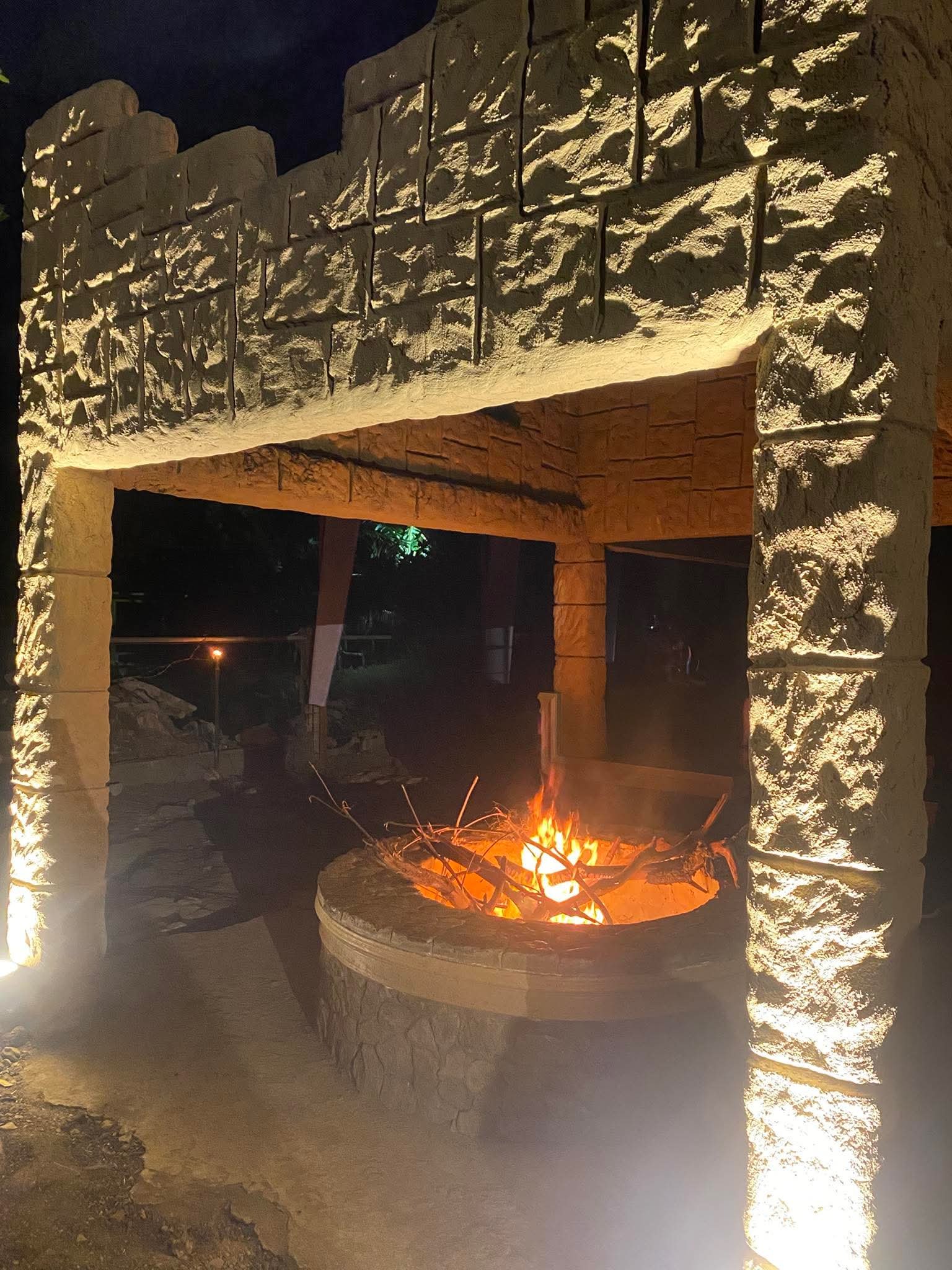
Visitors interested in the cultural traditions behind the rites may spend time at The Morion Camp along Dapdap Beach. The site was created as a cultural hub where guests can explore the practices associated with the Moriones.
At the camp, visitors can rent Morion costumes and walk along pathways overlooking the sea. Roman-style chariot rides add a playful historical touch, while workshops introduce participants to mask painting and martial arts techniques.
These programs focus on participation and learning. They reveal the skill, patience, and discipline required of those who take part in the rites each year.
Visiting During Holy Week
Travel to Marinduque typically begins in Lucena City in Quezon Province, where ferries cross Tayabas Bay toward the island.
Visitors heading to Santa Cruz usually arrive through the ports of Balanacan Port or Buyabod Port.
Accommodations range from family-run homestays to small beach resorts, though rooms fill quickly during Holy Week. Early reservations are strongly recommended. Check out our guide on where to stay in Santa Cruz here.
March and April also bring the hottest days of the year. Travelers planning to follow the parades or participate in the Via de Moriones walk should prepare for intense heat and carry water throughout the day.
A Living Ritual
Every Holy Week, the streets of Santa Cruz become a space where memory, devotion, and performance meet. Behind each wooden mask is a resident fulfilling a vow, taking part in a ritual that connects the present to a story centuries old.
For visitors witnessing the rites for the first time, the image can be unforgettable: silent centurions walking beneath the tropical sun, their carved faces turned toward a past that continues to live in the traditions of Marinduque.